
Bitcoin price
SEC begins formal review of Fidelity, SkyBridge Bitcoin ETF applications


A pair of Bitcoin (BTC) exchange-traded fund (ETF) applications submitted by Fidelity Investments and SkyBridge Capital are under official review by the United States Securities and Exchange Commission, reigniting a long-standing debate about whether regulators will finally approve America’s first crypto-focused ETF.
The SEC’s formal review of Fidelity Investments’ application was documented in a Tuesday filing that appeared on the regulator’s website. The formal review of the SkyBridge application was outlined in a May 21 filing.
Both ETF applications were submitted in March. As Cointelegraph reported at the time, Anthony Scaramucci’s SkyBridge Capital partnered with investment adviser First Trust Advisors to develop a product that seeks to list shares on the NYSE Arca.
The Fidelity application describes an ETF product that tracks Bitcoin’s daily price movements using a proprietary index derived from several price feeds.
U.S. securities regulators now have six ETF applications on the docket for review. A decision on the VanEck application is expected next month.
The SEC has yet to approve a single Bitcoin ETF, citing concerns over price manipulation and volatility. Proponents of a Bitcoin ETF believe that this time will be different given the growing maturity of the asset class. It’s believed that a Bitcoin ETF would provide easier institutional access points to the digital asset market, which could be a boon for price and adoption.
North of the border, Canadian lawmakers have approved multiple Bitcoin ETFs. The Purpose Bitcoin ETF, which trades under the ticker symbol BTCC, accumulated $1 billion in assets under management less than two months after launching.
Source link
Price action for Bitcoin (BTC) and the wider cryptocurrency market was relatively subdued on May 27 as nervous traders remain unsure of what comes next following last week’s market plunge that saw leveraged traders wiped out as BTC dipped as low as $30,000 before its price rebounded.
Data from Cointelegraph Markets Pro and TradingView shows that while Bitcoin’s price has managed to put in higher highs and higher lows over the past week, bulls continue to face stiff resistance at any meaningful attempt to break above $40,000 as bears defend the psychologically important level.
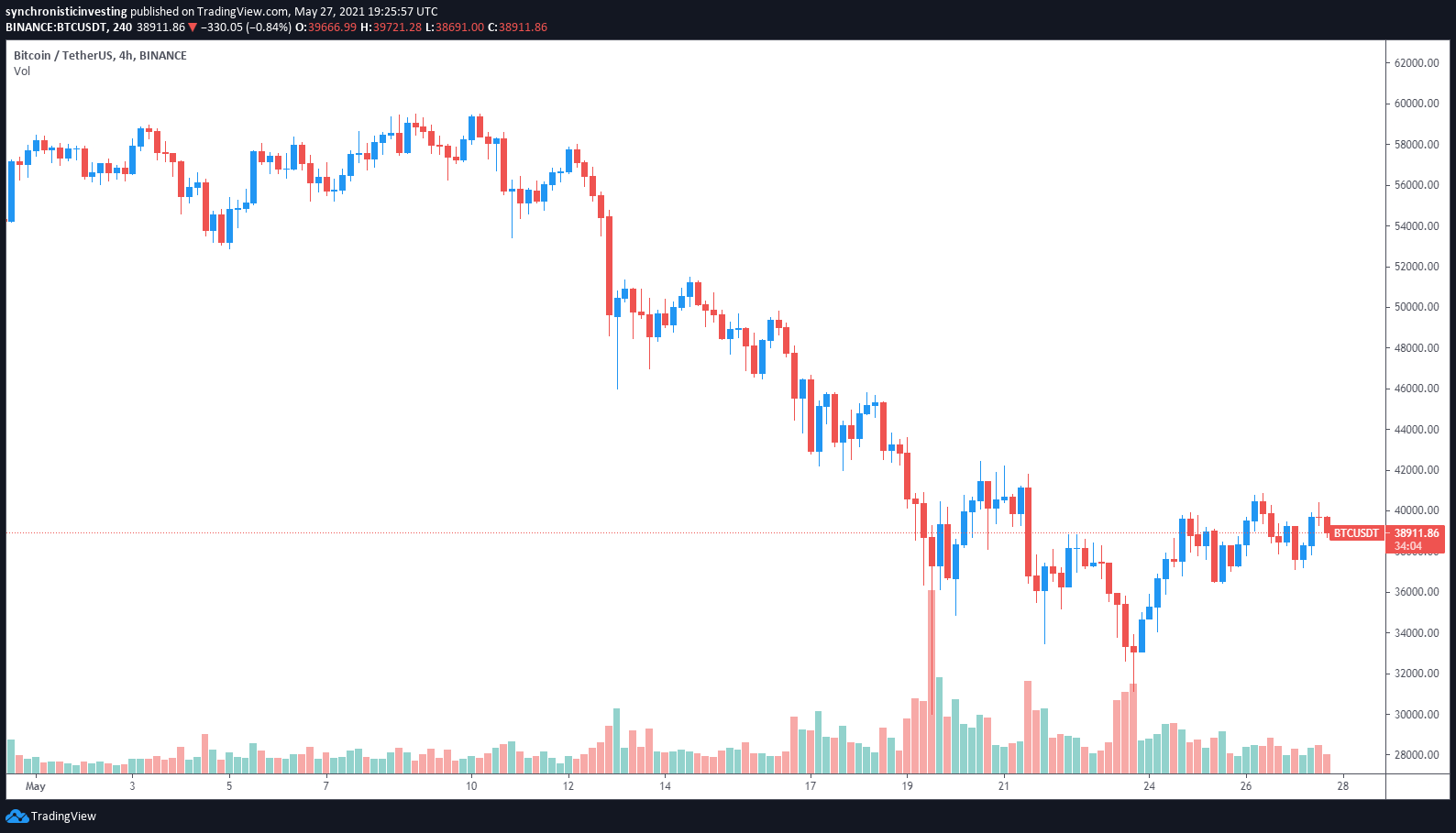
For many traders, the recent correction likely triggered PTSD-like flashbacks of the market crash of 2017 and 2018 and the ensuing two-year crypto winter, and this could be a reason why the market seems indecisive at the moment.
Given that many traders are unsure of what might come next for Bitcoin’s price, it’s wise to consider the various bullish and bearish scenarios that could play out and to also take stock of the opinions of analysts in the sector.
Traders remain cautious after the recent sell-off
According to David Lifchitz, managing partner and chief investment officer at ExoAlpha, it’s important to look closely at the recent market events and review the catalysts that created the current situation.
Lifchitz told Cointelegraph that following an “almost uninterrupted bull run from $10,000 in October 2020 to an all-time high for BTC at $65,000 in mid-April 2021,” the market saw several waves of profit-taking ahead of the “great deleveraging of 2021,” which saw the price of BTC fall by 54% to $30,000, while Ether (ETH) and altcoins were hit even harder.
According to Lifchitz, the correction succeeded in “drastically reducing the amount of leverage that prevailed in the ecosystem,” which can be seen as a healthy development for the overall market, as it will help “to build on a more stable base.”
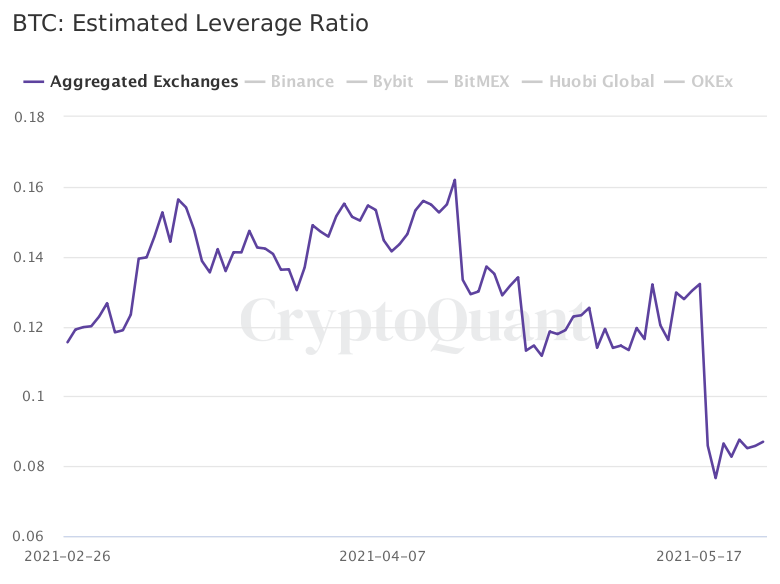
Lifchitz cautioned that while data shows that some early dip-buyers managed to pick up tokens near the lows, both volumes and futures open interest have remained weak, “showing no urgency to reload.”
The monthly options expiration for Bitcoin and Ether are less than 24 hours away, and Lifchitz believes they are standing in the way of “any meaningful move in the very short term.” He also suggested that it will be “difficult to convince burned investors to get back in the game just now” due to a lack of upside catalyst and the recent reminder that “prices do not always go up.”
This has put the market in a “wait-and-see phase,” according to Lifchitz, with both trend followers and contrarian investors needing “to see some motion, either up or down” before they engage in the market.
Lifchitz said:
“The market definitely needs a catalyst, either upward or downward to move ahead. A too long period without any catalyst could lead to investors fatigue who might decide to cash out and seek other pastures, which would act as gravity on cryptos triggering a downward move. The next few days/weeks will be very telling of what to expect next.”
Bullish indicators abound
While the average crypto trader is currently in a state of stasis and awaiting the next major market move to signal what BTC might do next, on-chain data indicates bullish moves from larger players who took full advantage of the recent dip by buying.
According to Micah Spruill, managing partner and chief investment officer at S2F Capital, most of the selling that was seen at the recent lows “has been from newer entrants to the market” who have “been selling at a loss and seem to be exhausted at this point.”
In a conversation with Cointelegraph, Spruill pointed to BTC net transfer volume, which shows that following the bearish downturn between May 17 and 20, “Massive amounts of USDC and USDT have been sent to exchanges (to buy BTC, ETH, etc.) and pull them off to long term storage.”
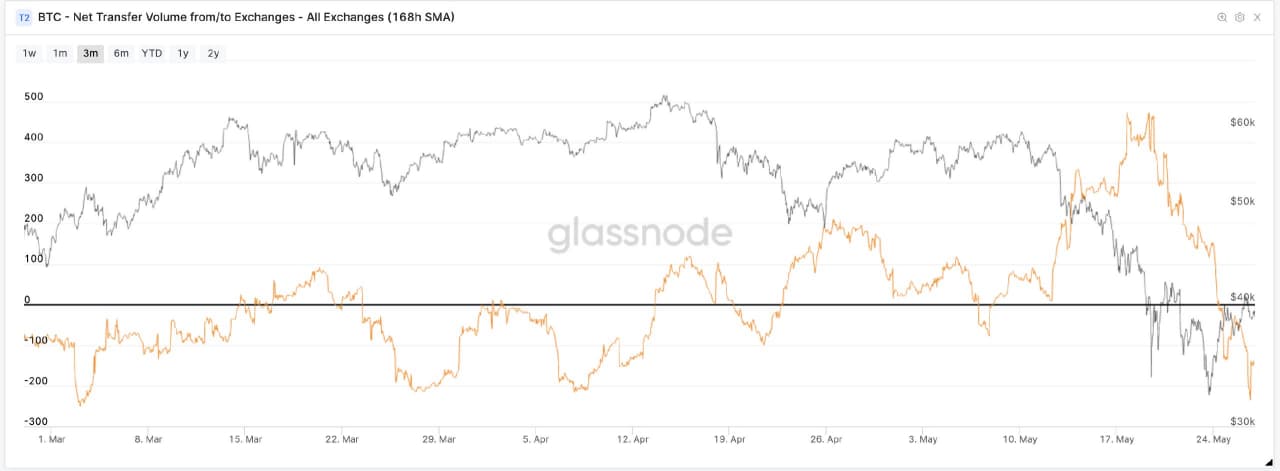
Further analysis shows that retail wallets holding between 0.1 and 1 BTC, as well as whale wallets holding between 1,000 and 10,000 BTC, have been accumulating at these levels in preparation for an overall move higher.
Another bullish indicator mentioned by Spruill is entities’ net growth, which “is recovering back to prior levels” and may signal that “the bull market is back in full force” if this trend continues over the next few weeks and the metric resumes its highs.
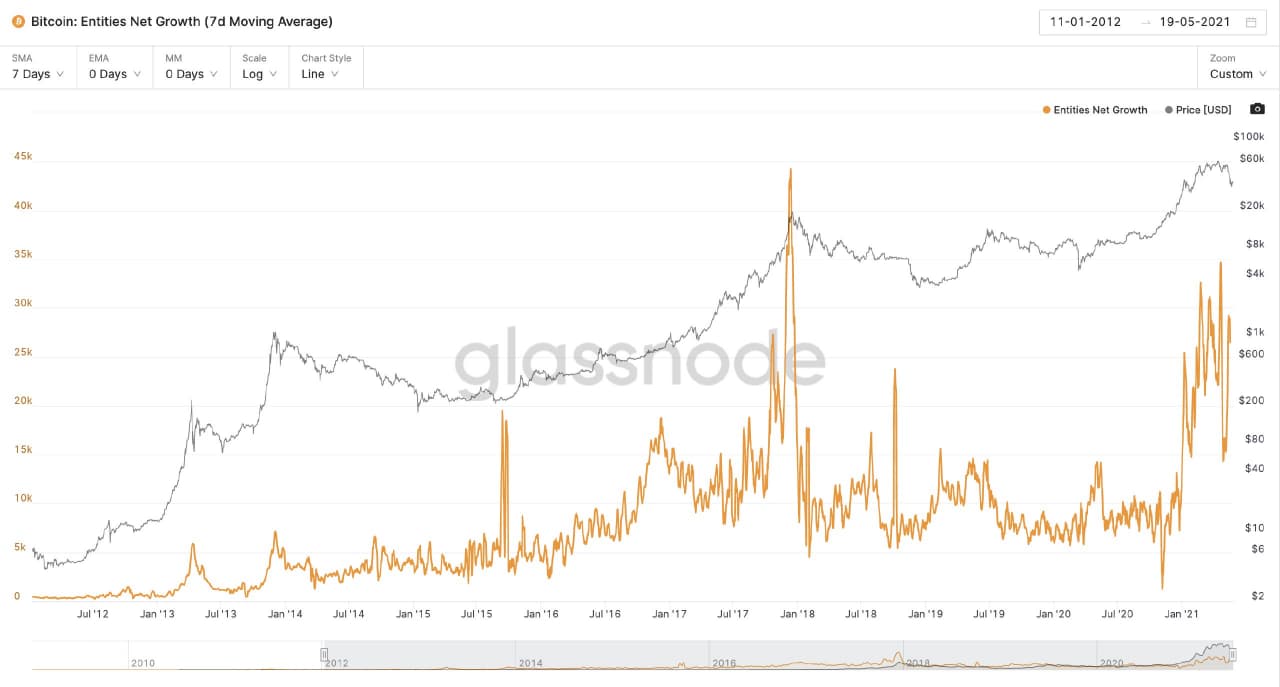
Overall, Spruill sees a positive move for BTC in the future, although the timing is questionable due to a variety of factors.
Spruill said:
“I think there’s a possibility we could spend an extended period of time (months) between the $30,000 to $42,000 level as the market digests recent events and we endure a mid-cycle re-accumulation period. Alternatively, it’s possible we have a COVID-like recovery whereby we see Bitcoin break outside this range soon and recover much faster than others are expecting.”
The views and opinions expressed here are solely those of the author and do not necessarily reflect the views of Cointelegraph. Every investment and trading move involves risk, and you should conduct your own research when making a decision.
Source link
The first step to successful trading is the identification of medium and the short-term trends. Traders who remain on the right side of the trend and use risk management principles usually end up earning profits. An equally important activity in the trading process is calculating the entry.
Many times, traders are afraid to pull the trigger in the optimal moment and miss a large part of the rally. As they see the markets move higher from the sidelines, the urge to buy keeps increasing and many times, they end up buying near the top.
To avoid such mistakes, it is important to devise an easy system for purchasing. Every trader wants to buy at the low and sell at the high, but that is easier said than done. Instead, traders should focus on capturing a major portion of the rally by taking the least possible risk. Let’s learn some easy strategies for doing this.
Trading in a range-bound market
Although the price action in a range-bound market is volatile and random, it can still be traded. If the ranges are too tight, it is better to sit on the sidelines instead of trying to trade choppy price action.
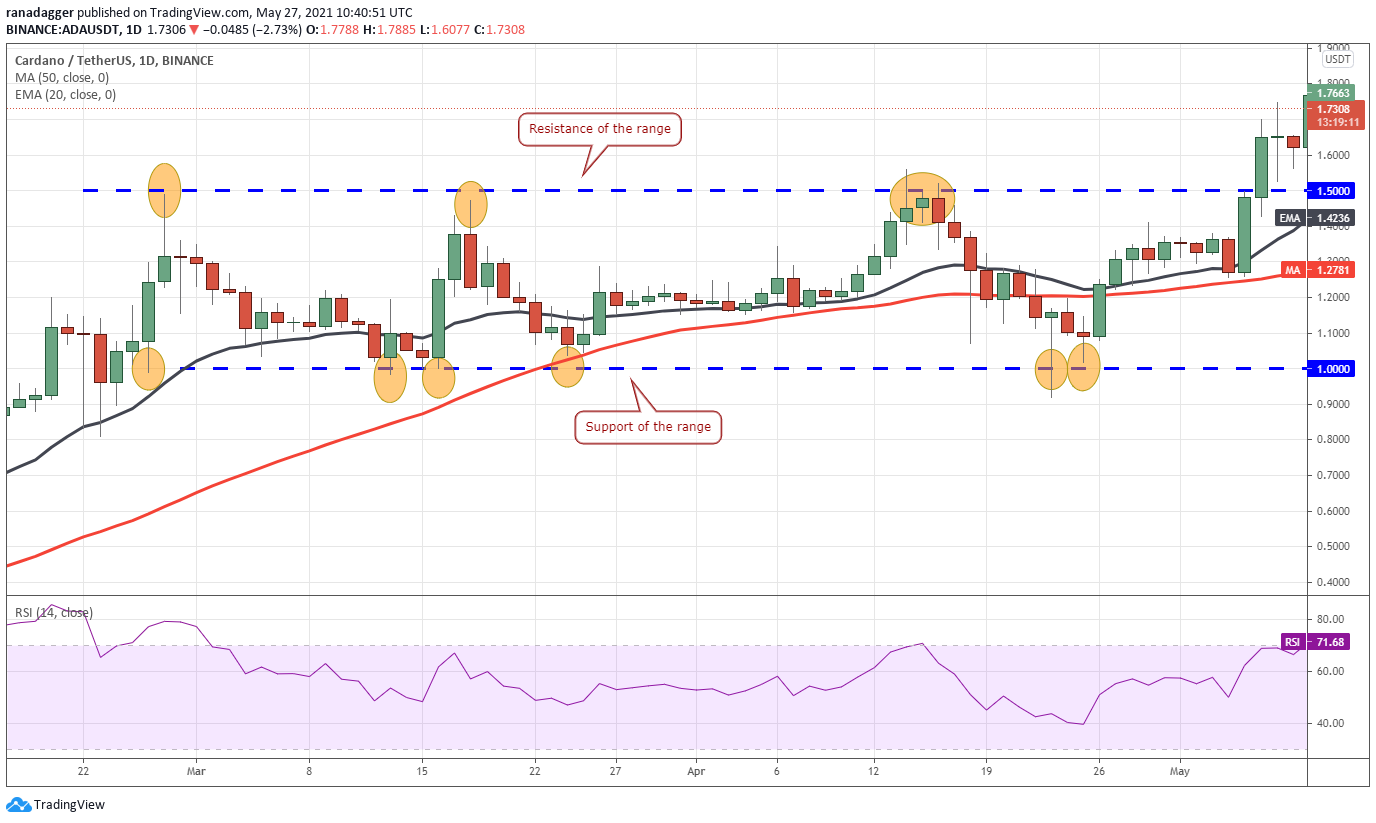
On the other hand, if the range is well-defined and large as in the above example, traders may try to trade it. The easy method is to buy on a rebound off the support and book profits near the resistance of the range. The stops for such trades can be kept just below the support of the range.
The larger number of touches both on the support and resistance of the range, the better it is to trade because the possibility of whipsaws are less. Usually, every range-bound action is followed by a strong bullish or bearish move. Hence when the trend changes, traders should alter their trading strategy accordingly.
How to buy in a bull market using moving averages
After a bull trend starts, the asset continues to make higher highs and higher lows. Traders who keep waiting to buy on a significant correction miss the bus. Therefore, when the trader identifies an upsloping 20-day exponential moving average and 50-day simple moving average, it is time to look for an entry opportunity.
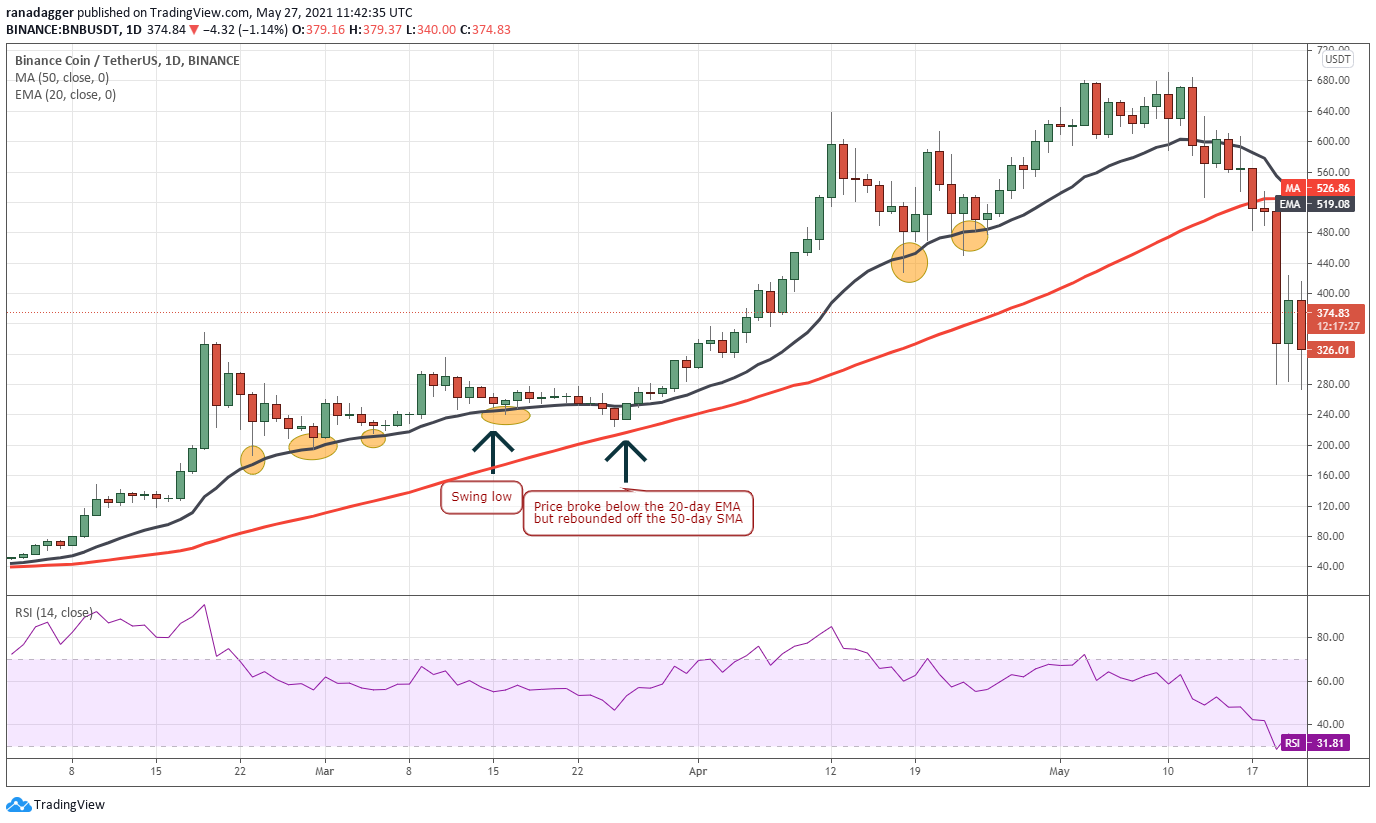
Binance Coin (BNB) started its uptrend in February when the moving averages began to slope up and the relative strength index (RSI) sustained in the overbought territory.
After the trend is established, traders should wait for a low-risk opportunity to buy. In an uptrend, the 20-day EMA acts as a strong support. Therefore, traders can wait for the price to dip and rebound off the 20-day EMA before buying. This gives a low-risk buying opportunity as the stop-loss can be placed just below the 20-day EMA or the swing low.
In the above chart, ellipses are used to mark the points where traders could have purchased. The price dipped to the 20-day EMA on six occasions which could have been good entry points. However, on one of the trades, the stops could have hit.
On March 25, the price broke below the 20-day EMA and the swing low was made on March 16. This could have hit the stops of short-term traders. However, the bears could not sustain the price below the 20-day EMA because the bulls bought the dips to the 50-day SMA.
The price quickly rose above the 20-day EMA on March 27, indicating resumption of the uptrend. In such cases, traders can either buy on a close above the 20-day EMA or the most recent swing high because it signals that bulls are back in command.
Let’s investigate a few more examples.
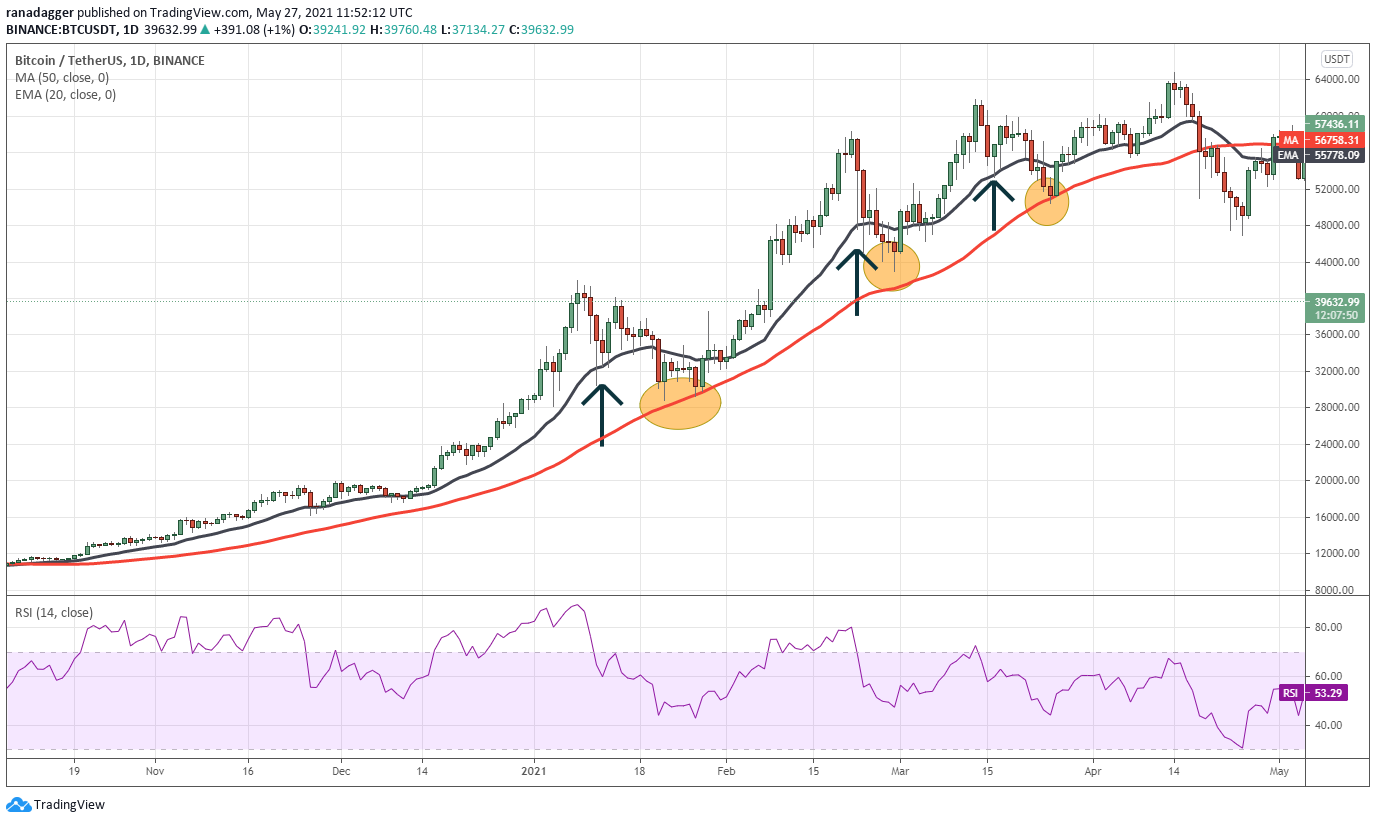
Bitcoin’s (BTC) chart above is a good example of how traders who bought the bounce off the 20-day EMA (entries marked using arrows) would have hit their stops just a few days later as the price broke below the 20-day EMA and the swing low where the stops may have been kept.
This shows there is no fool-proof entry opportunity and traders should be willing to buy again at higher prices if the uptrend resumes.
In all three cases, the price took support close to the 50-day SMA and bounced back above the 20-day EMA. This was a signal to traders that the trend has resumed. This is generally a good entry point as the stop-loss is well defined and the profit potential is high. On all three occasions, the trade turned out to be profitable.
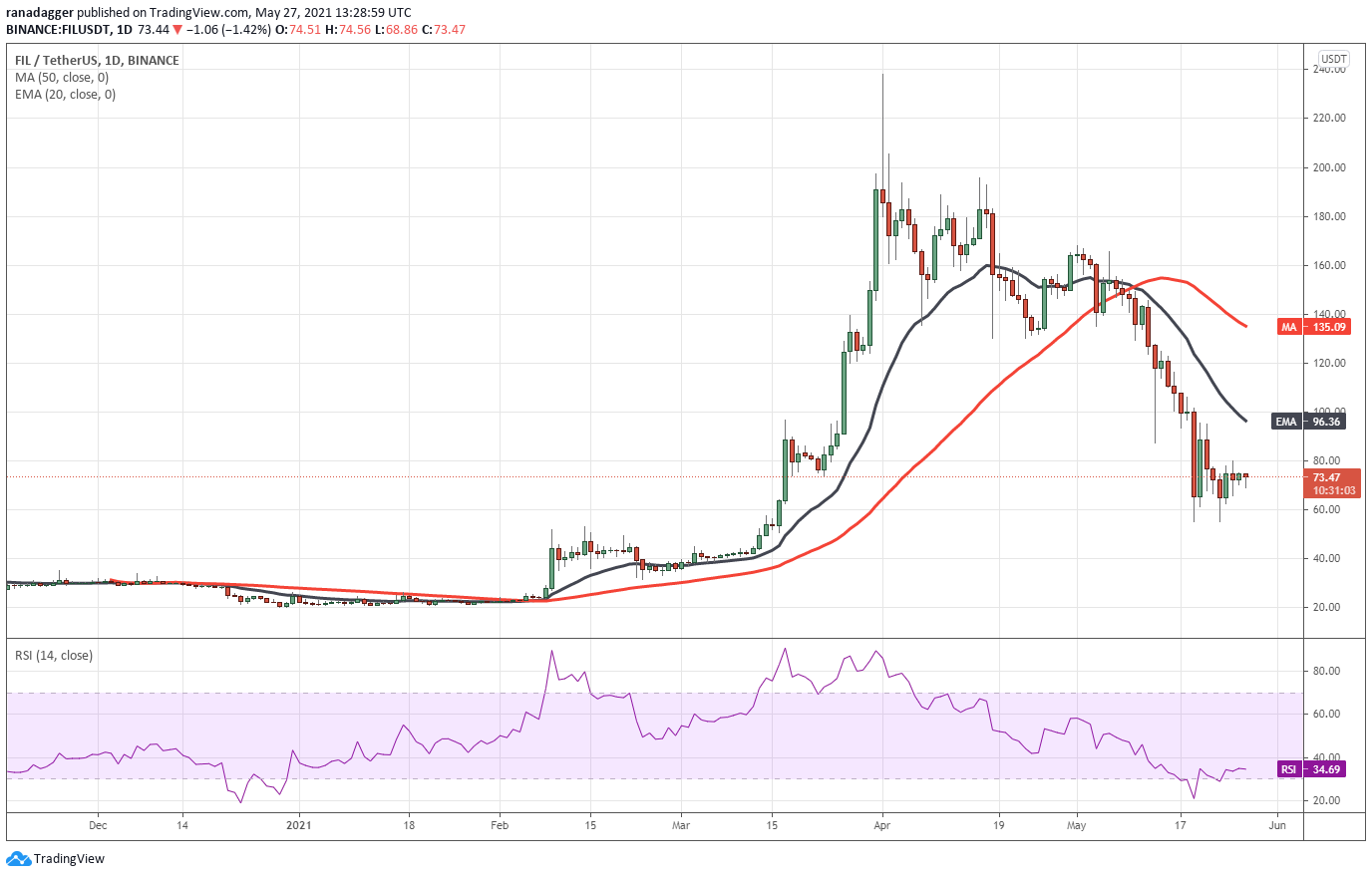
During vertical rallies, the momentum is so strong that the price does not correct to the 20-day EMA. In such cases, if traders keep waiting for the entry near the 20-day EMA, they can miss the entire rally.
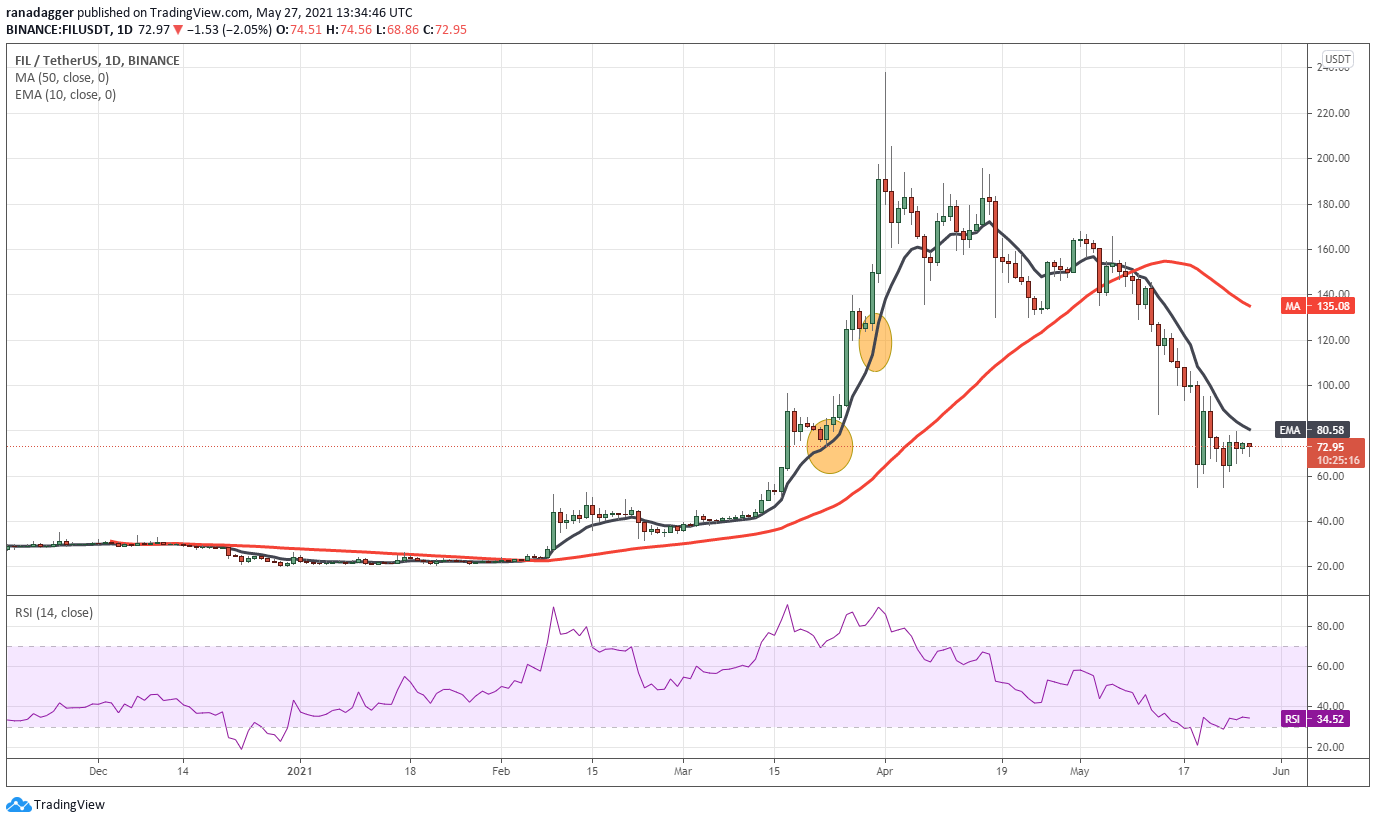
Therefore, when trading coins that are witnessing a strong vertical rally, traders can reduce the period of the exponential moving average to 10. By doing that, two entry opportunities open up, which offer a good risk to reward ratio to traders.
Moving averages as resistance in a downtrend
After the trend changes direction to a downtrend, the moving averages tend to act as points of resistance.
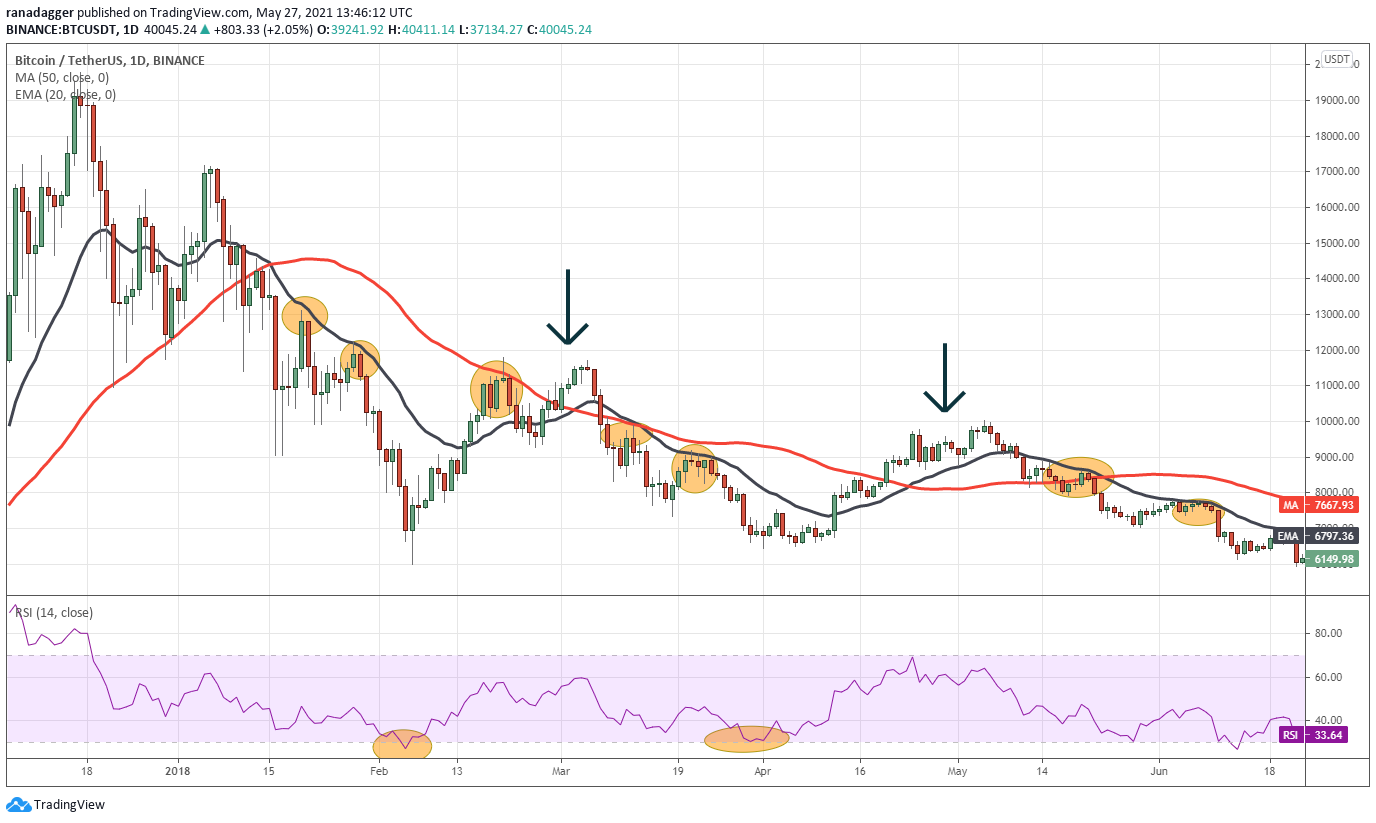
Bitcoin’s 2018 bear market is a good example to understand how moving averages behave in a downtrend. Each of the relief rallies halted near the 20-day EMA, indicating the bears were shorting when the price reached this resistance.
After the downtrend was established, there were two occasions when the price rose above the 50-day SMA. Note that before this happened, the RSI dipped close to the oversold territory, which may have attracted counter-trend traders.
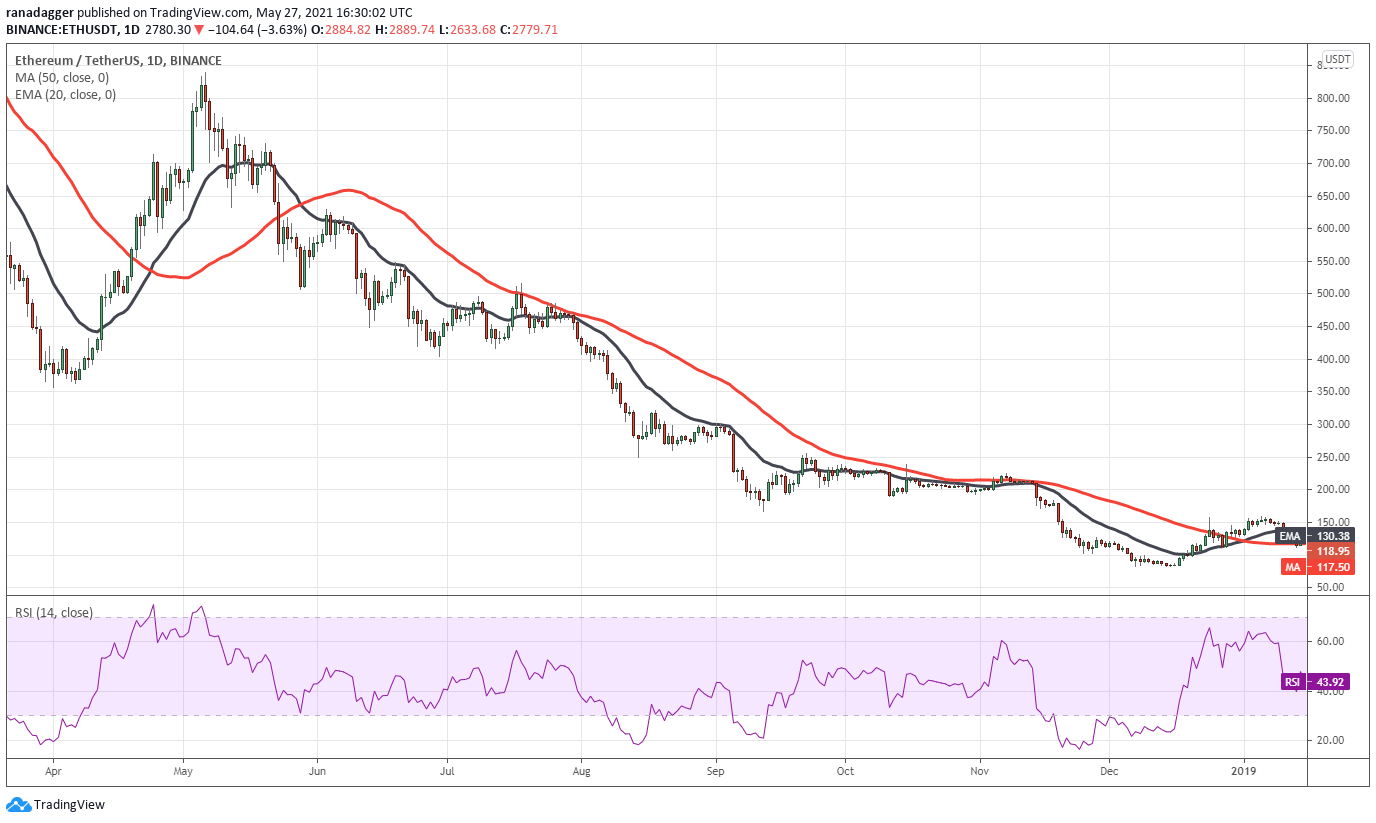
In Ether’s (ETH) bear market during 2018, see how the price remained below the 50-day SMA from June till the end of the year. The relief rallies either reversed direction from the 20-day EMA or the 50-day SMA.
Don’t waste time looking for the ‘perfect’ entry opportunity
Most times, the best entries also fail and the stop loss orders are hit. After experiencing a string of losses, novice traders often become discouraged and do not buy at higher levels as they wait to either buy at the same level their stops were hit or lower. Because of this, they miss a large part of the uptrend.
In a bull phase, traders should be ready to buy when the trend resumes. Treat each trade as a fresh one and do not be fixated on the profit or loss realized on the previous ones.
Each coin’s behavior is different, therefore traders should alter the periods of the moving averages to suit the coin and then devise entry points accordingly.
Source link
A major advertising industry organization in the United Kingdom has ruled on an ad campaign telling people “it’s time to buy” Bitcoin (BTC).
The Advertising Standards Authority, a self-regulating ad organization, officially halted an advertising campaign by cryptocurrency exchange Luno for being misleading and irresponsible.
“The ads must not appear again in the form complained about,” the ASA said Wednesday, noting that ads like this should mention that Bitcoin investment is highly risky due to its extremely volatile nature.
Shown across the London Underground network and on London buses this year, Luno’s ad posters contained an image of Bitcoin saying: “If you’re seeing bitcoin on the Underground, it’s time to buy.”

The ASA said that it had received several complaints regarding Luno’s ad, with people stressing that their posters failed to illustrate the risk of Bitcoin investment. “We considered that consumers would interpret the statement ‘it’s time to buy’ as a call to action and that the simplicity of the statement gave the impression that bitcoin investment was straightforward and accessible,” the ASA said.
Instead, Bitcoin investment is “complex, volatile, and could expose investors to losses and considered that stood in contrast to the impression given by the ad, that investment was simple and conventional,” the authority wrote.
The ASA said that Luno agreed not to post its Bitcoin ads in their current form again and promised to ensure that future ads would carry a proper risk warning.
The latest regulatory action comes against the backdrop of extreme volatility on crypto markets, with Bitcoin dropping from its all-time high above $64,000 to around $31,000 in mid-May.
As previously reported by Cointelegraph, crypto advocates have been distributing more Bitcoin ads around the world. Last September, the Bitcoin Association of Hong Kong launched the “Bitcoin Tram” ad campaign in Hong Kong, with some ads placed right in front of HSBC headquarters and showing the words “be your own bank.”
Source link
Hope for South Korean Crypto Exchanges as Bank Keen on Contract Renewal
Pumped up by volume? 5 crypto assets that traders loved this month (and their prices)
ELONGATE MASSIVE PRICE GROWTH & PUMP! - ELONGATE CRYPTO Token Coin Price Prediction 2021

Here Are the 10 Altcoins To Watch in April As Risk Tolerance Swells in Crypto, Says Trader Luke Martin

How To Invest In Crypto Full Beginners Guide in 2021
Bitcoin: How Cryptocurrencies Work
-
 Altcoins1 month ago
Here Are the 10 Altcoins To Watch in April As Risk Tolerance Swells in Crypto, Says Trader Luke Martin
-
 Education1 month ago
How To Invest In Crypto Full Beginners Guide in 2021
-
 Education2 months ago
Bitcoin: How Cryptocurrencies Work
-

 Education1 month ago
CRYPTO EDUCATION: A beginners guide for accountants and IFAs
-
 liquidity1 month ago
Unistake - The Big Reveal | The Importance of Liquidity for Cryptocurrency
-
News1 month ago
On Bitcoin, Wealth Inequality, & the Future: Tantra Labs’ Russell Lacour
-

 Usecase1 month ago
Robert Kiyosaki: WE ARE SCREWED - The Future Of Money Lies In Crypto, Bitcoin And Blockchain
-
 Technology1 month ago
Blockchain technology ante enti ? What is Blockchain ? Telugu Version