CBDC
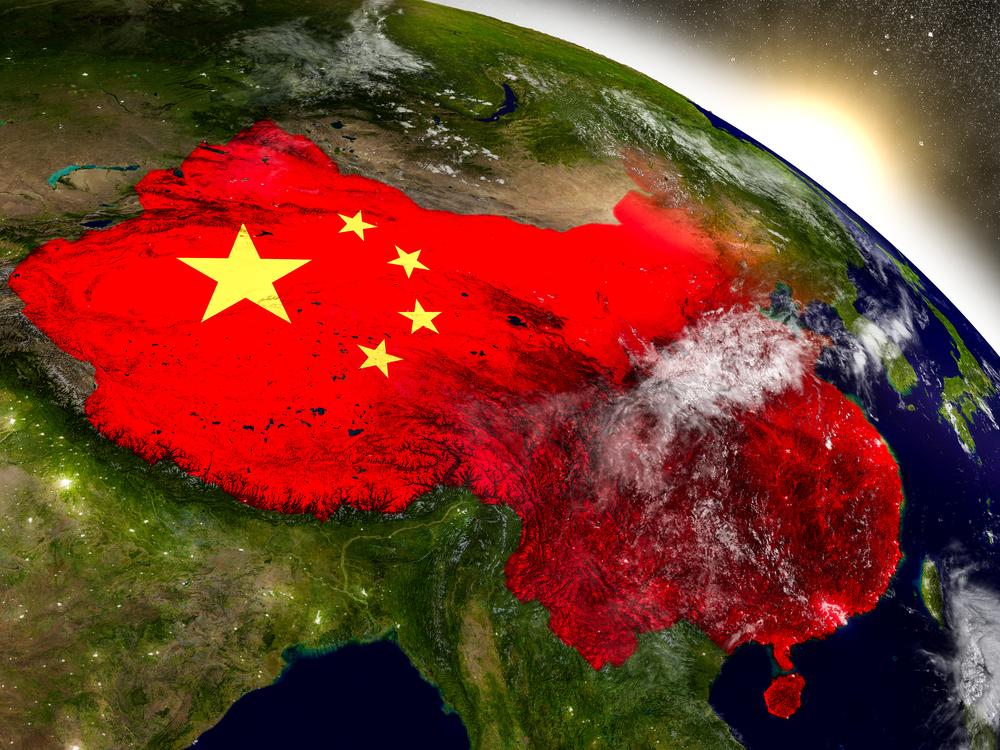
China releases digital yuan whitepaper; reveals transactions topped $5.3B


In discussion with the International Monetary Fund (IMF), T Rabi Sankar, the deputy governor of the Reserve Bank of India (RBI), reflected an anti-crypto stance as he spoke about India’s potential to disrupt the crypto and blockchain ecosystem.
Rabi Sankar started the conversation by highlighting the success of the Unified Payments Interface (UPI), India’s in-house fiat-based peer-to-peer payments system — which has seen an average adoption and transaction growth of 160% per anum over the last five years.
“One of the reasons it is so successful is because it’s simple,” he added while comparing UPI’s growth with blockchain technology. According to Rabi Sankar:
“Blockchain, which was introduced six-eight years before UPI started, even today is being referred to as a potentially revolutionary technology. [Blockchain] use cases haven’t really been established that much at the speed it initially was hoped for.”
However, the RBI official confirmed that a large population in India still lacks access to UPI-based banking due to the unavailability of smartphones. To counter this, the Indian government is working on offline payment platforms, some of which have started rolling out to the masses.
June 2 at 7:00am ET // At the Frontier: India’s Digital Payment System and Beyond will explore the latest developments in digital payments with a focus on lessons from India as well as future with a significant role for Central Bank Digital Currencies. https://t.co/ZSj7i15fBG pic.twitter.com/X6cVyHewEs
— IMF (@IMFNews) May 31, 2022
Rabi Sankar also stated that banks will remain crucial for providing liquidity services to the general public in India, warning that technology is merely a tool and cannot be used to create currencies:
“A currency needs an issuer or it needs intrinsic value. Many cryptocurrencies which are neither are still being accepted at face value. Not just by gullible investors but also the experts, policymakers or academicians.”
He further stated that RBI does not believe that stablecoins, like Tether (USDT), should be accepted blindly as 1-to-1 fiat pegged currencies. Speaking about the advantages of a digital rupee, Rabi Sankar said:
“We believe that central bank digital currencies (CBDCs) could actually be able to kill whatever little case that could be for private cryptocurrencies.”
Related: India to roll out CBDC using a graded approach: RBI Annual Report
On May 28, India’s central bank, RBI, proposed a three-step graded approach for rolling out CBDC “with little or no disruption” to the traditional financial system.
As Cointelegraph reported, finance minister Nirmala Sitharaman first revealed the plan to launch a CBDC in 2022-23 with an aim to provide a “big boost” to the digital economy. RBI’s report revealed that the central bank is currently experimenting to develop a CBDC that addresses a wide range of issues within the traditional system.
Source link
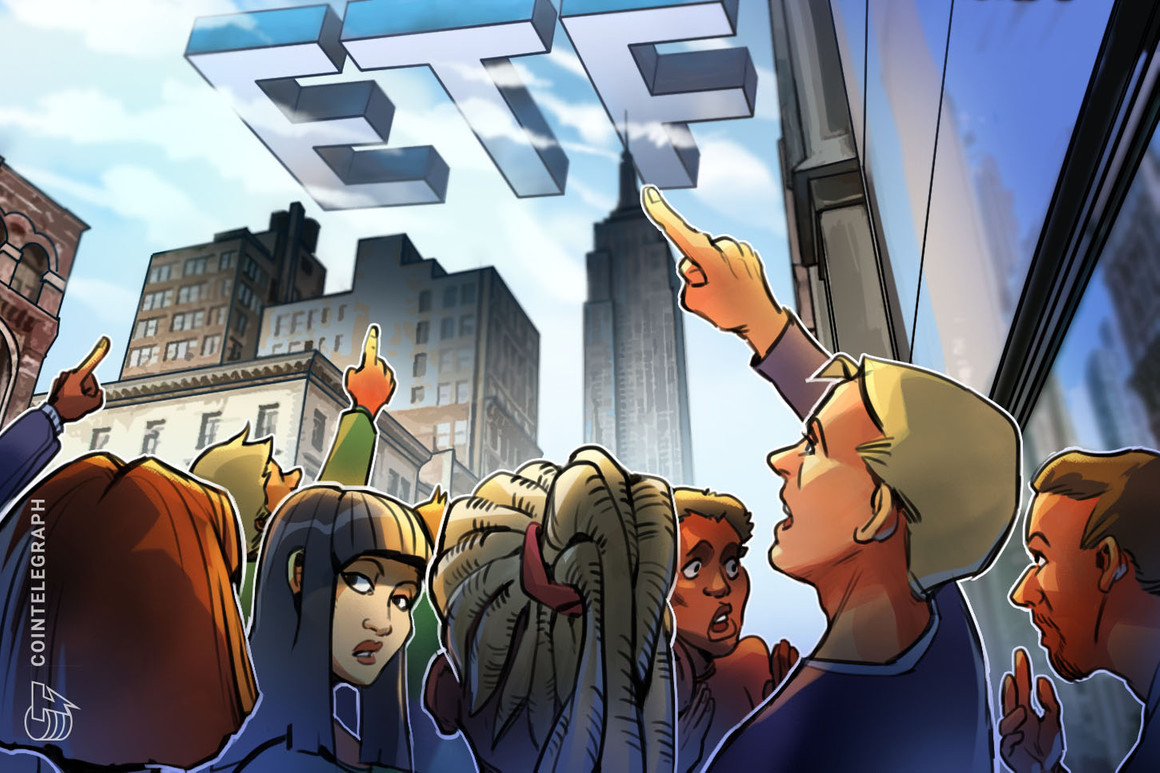
BlackRock has officially launched a blockchain focused ETF, that provides investors with exposure to the crypto and blockchain industry without needing to directly own digital assets.
On Wednesday, the world’s largest asset manager, which currently manages approximately $10 trillion in assets, added the Blockchain and Tech ETF (IBLC) to its iShares product line.
The $4.7 million ETF does not directly own cryptocurrencies or digital assets themselves, but instead tracks an array of international companies that are involved in the industry.
The ETF is comprised of 41 separate holdings, with the largest single holding being US-based crypto exchange Coinbase making up 11.45% of the fund. This is closely followed by large Bitcoin miners Marathon Digital Holdings (11.19%) and Riot Blockchain Inc. which accounts for 10.41% of the total holdings.
Showing readiness for future acquisitions, the ETF currently sports a healthy 9.15% US dollar cash position.
Alongside the release of the new ETF, BlackRock published a report that outlined three main areas of the market that are currently undergoing permanent changes.
The paper details just how bullish BlackRock is on the crypto industry, stating that while most of the attention directed towards digital assets focuses on the price and volatility, the actual value of blockchain is yet to be fully realised.
“We believe the broader opportunity — leveraging blockchain technology for payments, contracts and consumption broadly — has not yet been priced in.”
The paper also brings attention to the adoption of central bank digital currencies (CBDCs), noting that 87 countries are currently in the process of exploring the technology.
Related: BlackRock joins stablecoin issuer Circle’s $400M funding round
Crypto ETFs are growing in popularity among institutional investors as a way of gaining exposure to the cryptocurrency industry.
Discussions concerning a spot Bitcoin ETF have been re-ignited after a recent Nasdaq survey revealed that 72% of the 500 financial advisors interviewed would be more likely to invest client funds in a spot fund over a futures-based one.
Source link
Hodler’s Digest, May 29-June 4
Luxury Fashion Firm Farfetch Begins Accepting Crypto Payments
Coinbase’s CEO responds to anonymous’ employee’s claims over toxic work culture

HOW TO SIGN-UP FOR SAFEMOON WALLET BETA TESTING? - EXPLAINED

Crypto wallet Zumo adds support for Bitcoin SV (BSV) after BTC and ETH » CryptoNinjas

Binance Launchpool hosts ATA Token Launch and $2.4 million Raise for Automata Network
-
 distributed ledger1 year ago
HOW TO SIGN-UP FOR SAFEMOON WALLET BETA TESTING? - EXPLAINED
-
 News12 months ago
Crypto wallet Zumo adds support for Bitcoin SV (BSV) after BTC and ETH » CryptoNinjas
-
 automata1 year ago
Binance Launchpool hosts ATA Token Launch and $2.4 million Raise for Automata Network
-

 Education1 year ago
Karan Dwivedi Zoom Meeting Crypto Bulls, ESPN Global, Master Nodes
-

 Technology3 months ago
VOLTERRA IS DISRUPTING BLOCKCHAIN TECHNOLOGY WITH REALISTIC INNOVATIONS!! | IDO LIVE NOW!
-

 distributed ledger11 months ago
XRP ISO20022 MASTERPLAN To REACH 5 DIGIT - EXPLAINED!
-

 distributed ledger10 months ago
Distributed-Ledger-Technologien - Der Überbegriff zu Blockchain, Bitcoin, Tangle und Co…
-

 distributed ledger10 months ago
XRPL A Modern Distributed Ledger based Global RTGS system

_1600757668.png)